Ulhas River: Weed Removal,
& Early-Stage River Recovery

A coordinated multi-stakeholder effort to restore the Ulhas River through drone-applied herbicide treatment and scientific monitoring.

Project Snapshot
Start Date
Aug 2018
Duration

2018-2022

Location

Thane Dist., MH

Lead NGO
Saguna Rural Foundation
Sites
Varap, Kamba

Lab Partner

Goldfinch Laboratory
Protocol
Glyphosate monitoring protocol
Status
Positive — Monitoring

Honerable Deputy CM

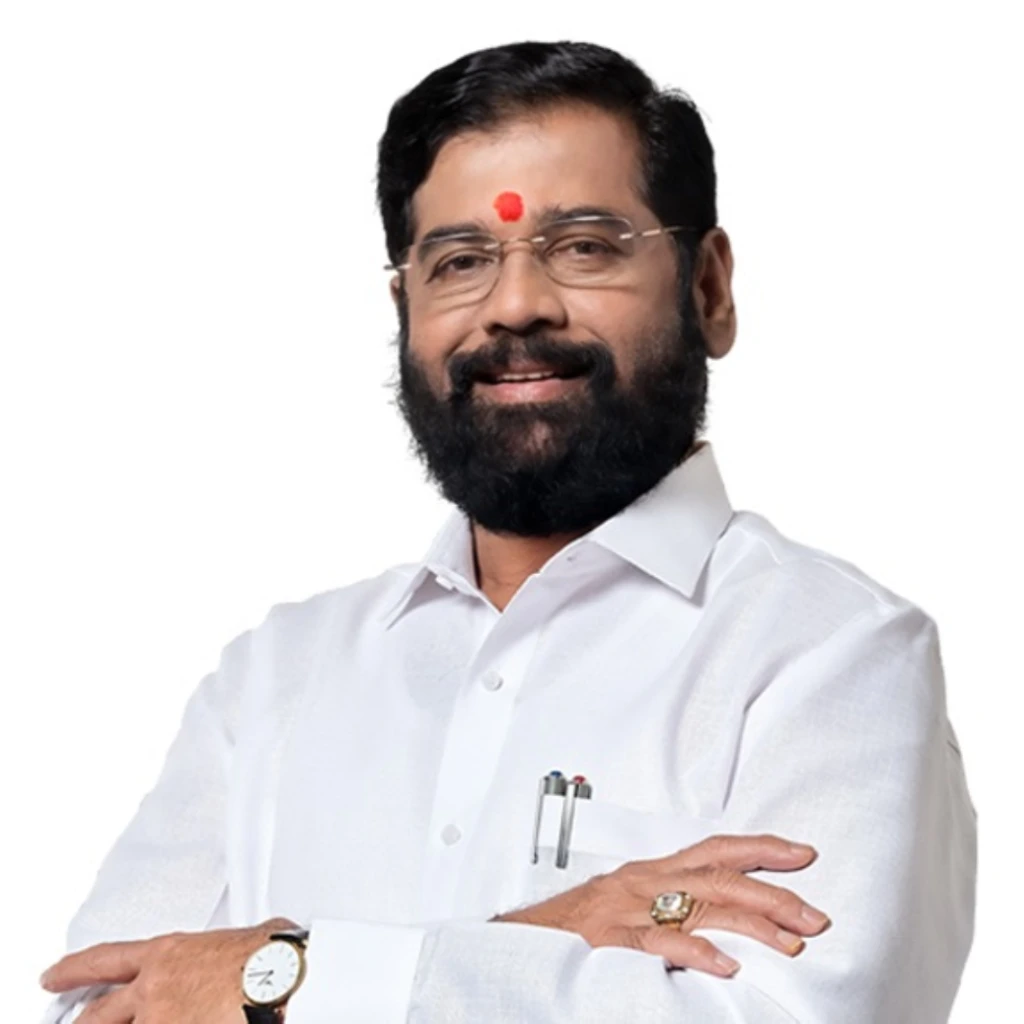
Mr. Eknath Shinde addressed the Parliament, highlighting the significant role of Goldfinch Lab in the scientific analysis and testing related to the Ullas River project. He acknowledged the lab’s contribution as an internationally recognized testing facility, emphasizing its credibility in verifying the safety and effectiveness of glyphosate treatments used during the river restoration initiative.
Critical Environmental Situation

Challenges Addressed

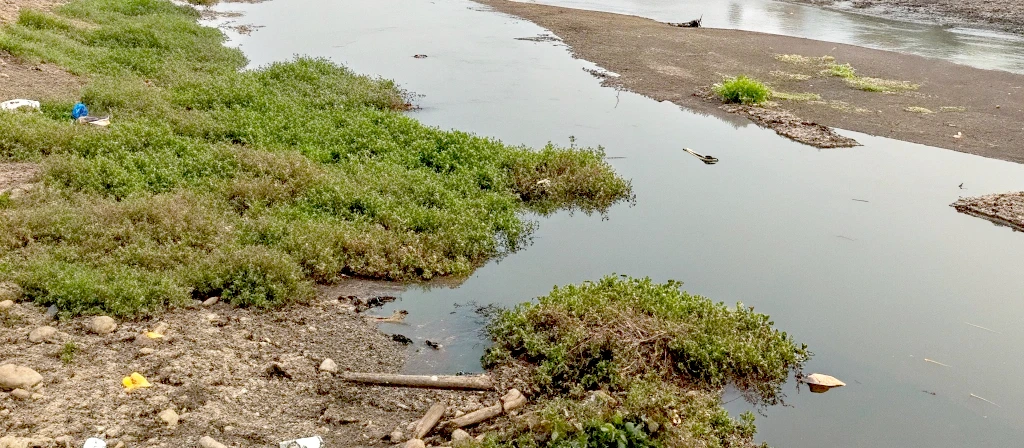
Stretches of the Ulhas River faced severe degradation from invasive aquatic weeds and persistent pollution. The situation demanded immediate, coordinated action balancing ecological restoration with community needs and environmental safety.

ulhas-river
Weed Infestation

Heavy weed infestation impeding river flow and ecological function

Polluted Inflows
Ongoing polluted wastewater inflows threatening water quality
Balanced Control
Need to balance effective control with environmental safety
Agency Coordination
Multi-agency coordination required across government and NGOs

Restoration Process

Intervention & Methods

combining technology, science, and community engagementMulti-sector collaboration driving the recovery effort
1. Assignment: State mandate issued
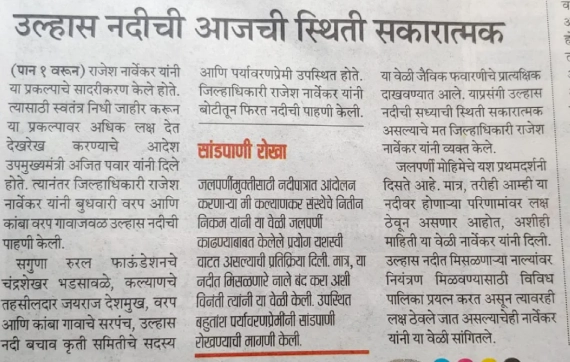
Hon. Deputy Minister Eknath Shinde assigned the weed-removal challenge to Saguna Rural Foundation, an initiative initiated by Collector Rajesh Narvekar and Mr. Chandrashekhar Bhadsavale with support from the district administration.
Systematic herbicide (glyphosate) was applied via drone technology to target invasive aquatic weeds across affected stretches. This delivery method enabled efficient coverage of wetland vegetation while minimizing ground disturbance.
Goldfinch Laboratory developed and implemented an analytical protocol to measure glyphosate concentration in river water samples collected before and after treatment, establishing a scientific baseline for environmental safety.
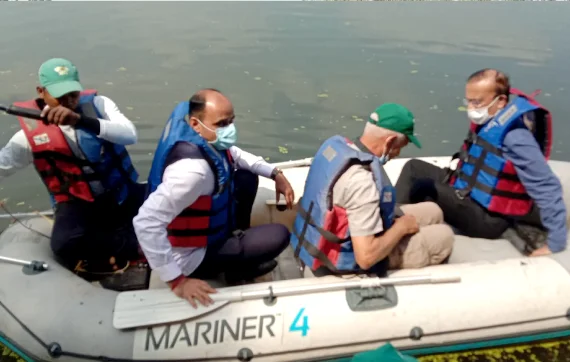
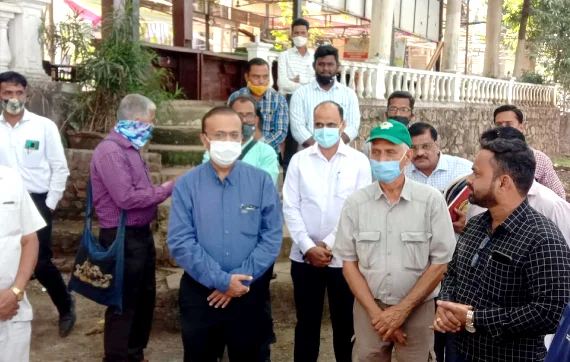
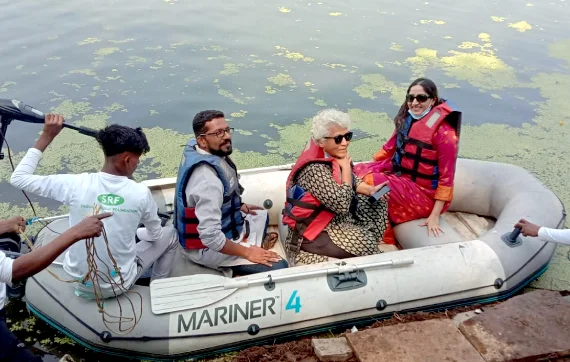
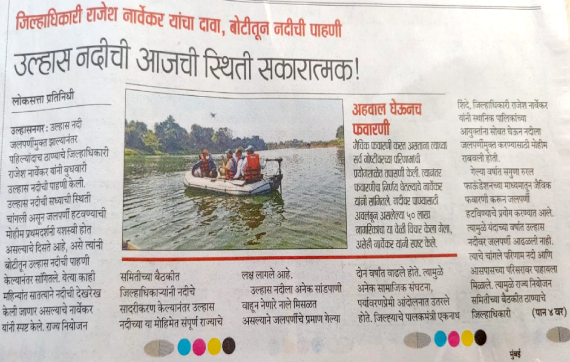
District Collector Rajesh Naiknavare conducted boat inspections at Varap and Kamba villages, where biological fountains were demonstrated as supplementary restoration and oxygenation measures.
Continuous monitoring protocols established in coordination with municipal bodies, conservation committees, and community activists to track recovery progress and manage pollution inputs.

Insights – Outcome

Monitoring & Results

Scientific tracking and early indicators of recovery

Glyphosate Reduction

75%

From peak to 8-week post-treatment

Flow Improvement

Positive

Observable increase in water flow

Visible Weed Reduction

Significant

Field inspections confirm progress

Monitoring Status

Active

Ongoing assessment protocols in place
logo

Laboratory Protocol

Goldfinch Laboratory developed analytical method for glyphosate concentration monitoring. Samples collected at multiple time points with detection limits at 0.01 µg/L. From peak to 8-week post-treatment
Collaborators

Key Stakeholders

Multi-sector collaboration driving the recovery effort
Mr Eknath Sindhe

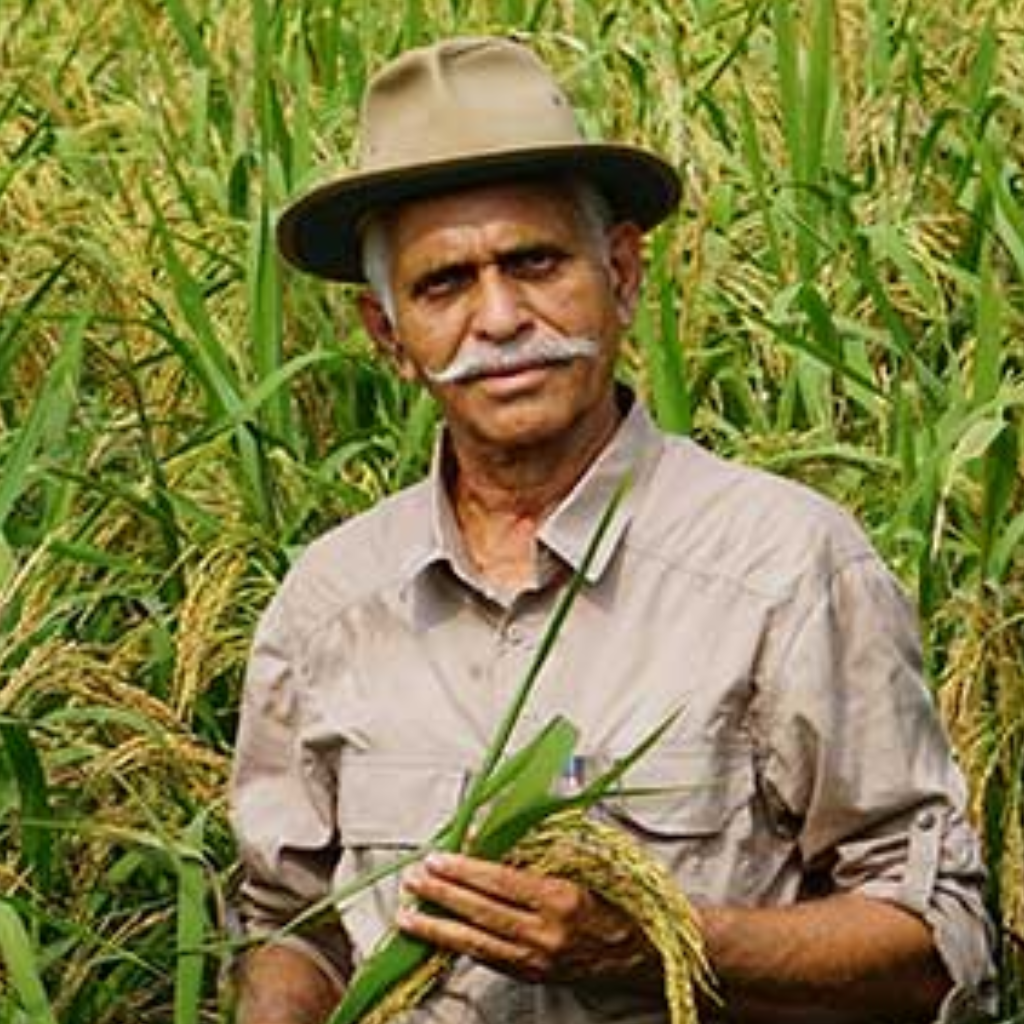
Eknath Shinde

Assigned weed-removal challenge
Mr. Chandrashkehar Bhadsavale

Shekhar Bhadsavale

Implemented drone herbicide application
collector-rajesh-narvekar

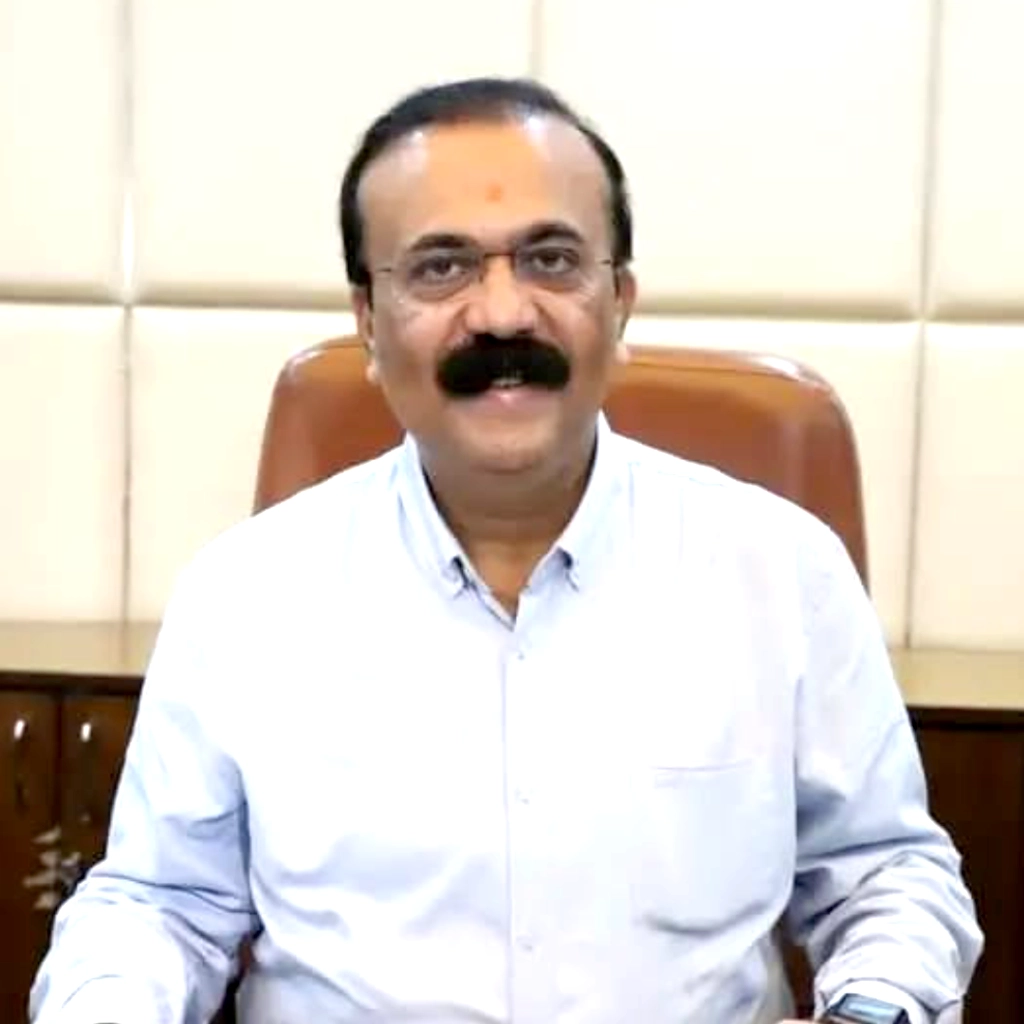
Rajesh Narvekar

Led boat inspections and field demonstrations
goldfinch

Goldfinch Laboratory

Glyphosate monitoring protocol
Feedback

Community Voices

Stakeholder perspectives on progress and priorities

Regenerative Action Results

“Ulhas Jalaparni Mukta Abhiyan” features testimonies from local representatives and community members praising the river’s transformation. They highlight cleaner, odor-free water, removal of dense weeds, and improved environmental and economic conditions. Many credit the Saguna Regenerative Technique (SRT) for restoring the Ulhas River and supporting local livelihoods and agriculture.

accredited